Reliable Tree Trimming for Property Maintenance
Revitalize Your Outdoor Space: Professional Tree Trimming Guidelines for a Healthier Yard
Tree trimming is a vital component of landscape maintenance that extends past aesthetics. It holds a crucial position in encouraging tree health by removing damaged or diseased branches. Grasping the proper techniques and timing can generate a noticeable difference. Still, many homeowners miss the details that can lead to mistakes. Discovering expert tips and strategies is essential for anyone seeking to enhance their landscape's beauty and health. What are the key considerations for proper tree trimming?
Understanding the Importance of Tree Trimming
While countless homeowners tend to overlook tree trimming, it serves a essential role in sustaining the health and safety of trees. Regular trimming aids in removing dead or diseased branches, which can avoid the spread of pests and diseases that risk the entire tree. Additionally, proper trimming promotes better air circulation and sunlight penetration, improving a tree's overall vitality.
Tree pruning additionally improves the appearance quality of a landscape, molding trees to enhance the surrounding environment. It can prevent potential hazards by minimizing the risk of branches falling amid storms or during high winds, guaranteeing safety for people and property nearby. Furthermore, trimming stimulates healthy growth patterns, helping trees to develop strong structures and lessen the likelihood of structural failure. In essence, tree trimming is not simply a cosmetic task; it is an essential practice for maintaining the longevity and health of trees in any landscape.
Tools You'll Need for Quality Tree Trimming
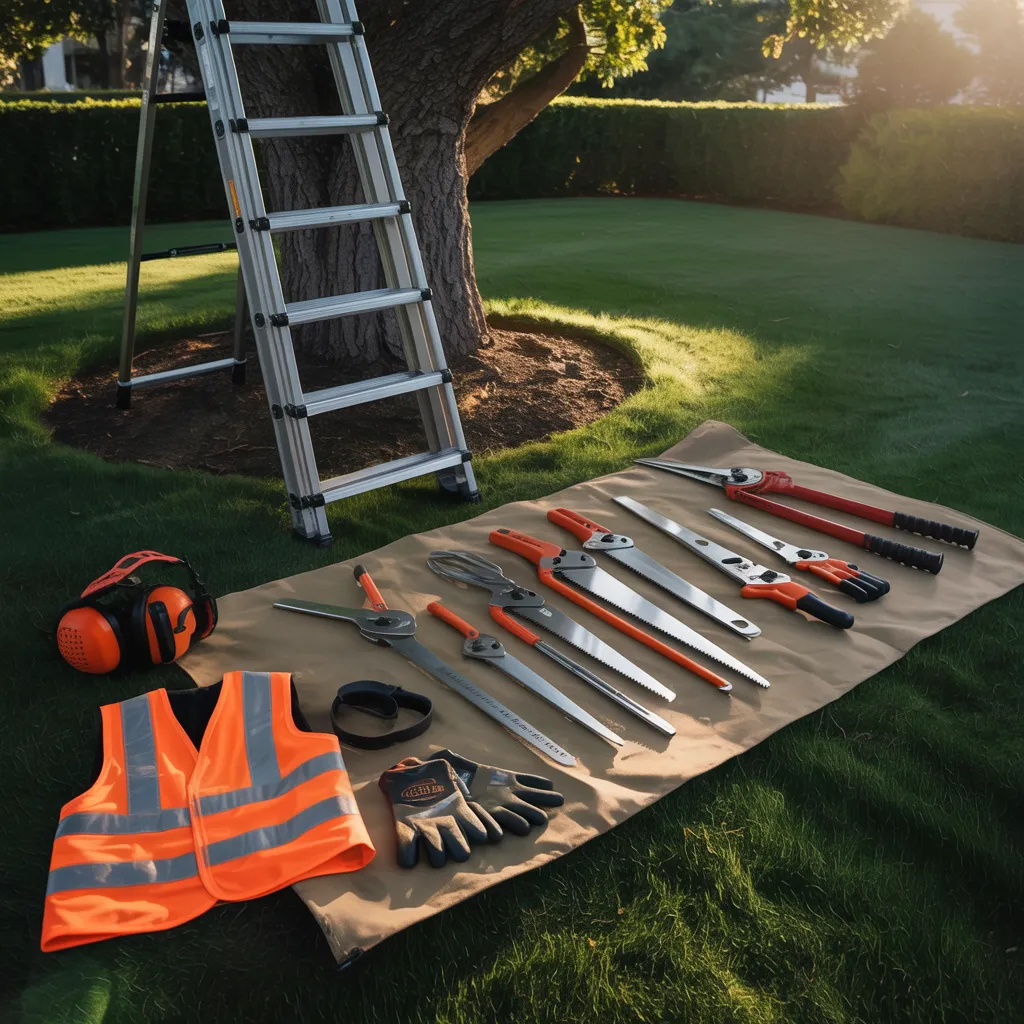
Proper tree trimming requires specialized tools to provide optimal results and safety. Essential trimming equipment, together with appropriate safety gear, plays a crucial role in achieving ideal results while minimizing injuries. Moreover, preserving these tools is essential for their longevity and performance during tree care.
Necessary Pruning Supplies
Proper tree trimming necessitates the right tools to guarantee safety and precision. Critical equipment includes hand pruners, which are ideal for small branches and detailed work. Loppers, with their longer handles, provide leverage for cutting thicker limbs. For higher branches, a pole saw or tree pruner extends reach, ensuring minimal ladder use. Chainsaws are necessary for larger trees but need caution and know-how. A sturdy pruning saw can also be valuable for heavy-duty cuts. Moreover, a reliable tarp or bag aids in debris collection, making cleanup efficient. Investing in quality tools not only improves results but also promotes a healthier yard, allowing trees to thrive while maintaining an aesthetically pleasing landscape.
Safety Equipment Significance
Safety is paramount when it comes to tree trimming, as the risks involved can be considerable. Adequate safety gear is essential to protect individuals from potential hazards. To begin with, hard hats shield against falling branches, while safety goggles shield the eyes from debris. Ear protection is also essential, particularly when operating loud equipment like chainsaws. Leather gloves deliver grip and protect hands from cuts and scrapes. Moreover, sturdy footwear with non-slip soles can prevent slips and falls on uneven ground. Reflective vests may be required for visibility, especially in high-traffic areas. By utilizing the appropriate safety gear, individuals can decrease risks and ensure a safer tree trimming experience, creating a healthier yard environment.
Upkeep of Implements
Keeping tools is vital for attaining ideal results in tree trimming. Appropriate care ensures that tools operate effectively and last longer, which ultimately promotes a healthier yard. Routinely cleaning pruning shears, saws, and hedge trimmers stops sap buildup and rust, improving their performance. Sharp blades are critical; dull tools can produce jagged cuts that harm trees. Thus, regular sharpening is suggested. Checking tools for any signs of wear or damage is also significant; damaged or loose components can lead to accidents. Additionally, storing tools in a dry place protects them from moisture and increases their lifespan. By focusing on tool maintenance, homeowners can improve their tree trimming efficiency and encourage overall landscape health.
When Should You Trim Your Trees?
When is the ideal time to trim trees? The ideal time for tree trimming varies based on the species and the local climate. In most cases, late winter or early spring is regarded as ideal, as trees are still dormant, reducing stress and promoting healthy growth once the warmer months arrive. During this season, it's easier to identify the tree's structure, making it less difficult to remove professional advice dead or diseased branches.
When it comes to flowering trees, pruning after blooming is recommended to prevent removing potential blossoms for the following season. In contrast, late summer is suitable for certain fast-growing varieties, as it provides better air circulation and light penetration.
Ultimately, examining the particular needs of each tree and tracking local weather conditions can direct the timing of trimming, making certain that the trees stay healthy and vibrant throughout the year.
Complete Guide to Pruning Various Tree Species
Comprehending the ideal timing for tree trimming establishes the foundation for successful maintenance. Different types of trees need particular approaches to guarantee healthy growth and aesthetics. For deciduous trees, the recommended approach is to trim during late winter or early spring before new growth begins. This aids in form the tree while minimizing stress.
When it comes to conifers, cutting is most effective in late winter through early spring as well, focusing on removing dead or diseased branches. On the other hand, flowering trees require pruning once they have bloomed to keep from cutting off next season's flowers.
Fruit trees benefit from a summer trim to stimulate fruit production and preserve shape.
Last but not least, evergreens can be trimmed in late spring or early summer for shape maintenance. Every tree species has specific requirements, and following these guidelines ensures a healthier and more vibrant landscape.
Frequent Missteps to Prevent When Trimming Back Trees
When trimming trees, several common mistakes can lead to detrimental effects on their health and growth. Incorrect pruning schedules, over-cutting, and overlooking important health considerations are common mistakes many people commit. Understanding these pitfalls is essential for maintaining healthy and thriving trees.
Improper Time for Cutting
Poor timing for trimming can bring about harmful effects on a tree's overall vitality. Trees have distinct growth cycles, and trimming them at the unsuitable time can leave them open to stress and disease. For example, pruning during the spring, when trees are actively growing, may result in excessive sap loss and vulnerability to pests. Alternatively, trimming in late fall or winter can hinder a tree's ability to heal before the harsh winter months. Furthermore, numerous tree species have particular pruning windows that must be observed to maintain their liveliness. Knowledge of seasonal changes and specific tree needs is crucial for effective trimming, ensuring both beauty and long-term health. Proper timing can significantly improve a tree's resilience and growth potential.

Over-Trimming or Topping Trees
While the attraction of a carefully manicured tree can be tempting, over-trimming or topping can significantly harm its well-being and structural integrity. This approach, often intended for aesthetic appeal or controlling size, strips away essential foliage and disturbs the tree's natural growth pattern. A tree's leaves have an important role in photosynthesis, and excessive cutting can lead to stress, making it prone to diseases and pests. Furthermore, topping can cause weak regrowth, creating hazardous branches that are prone to breaking. To maintain a tree's vitality, it is essential to focus on selective trimming that supports healthy growth rather than drastic cuts. Adopting proper trimming techniques can enhance the tree's beauty without sacrificing its overall health.
Overlooking Tree Health Factors
Ignoring tree health factors throughout trimming can lead to substantial long-term consequences for the tree's vitality. One common mistake is not taking the time to assess the overall condition of the tree before trimming. Ignoring signs of disease or pest infestations can worsen existing problems. Moreover, not considering the tree's growth patterns might result in incorrect cuts that hinder its natural shape and health. It is also vital to avoid trimming during the wrong season, as this can weaken the tree's ability to heal. Ultimately, ignoring the importance of sanitation can trigger the spread of pathogens. By being mindful of these factors, property owners can promote healthier trees and a more thriving landscape.
Caring for Your Trees After Trimming for Optimal Health
When trees are trimmed, adequate maintenance is essential to ensure their health and longevity. Subsequent to trimming, it is crucial to monitor the tree for signs of stress or disease. This includes inspecting the leaves for discoloration or wilting and examining the bark for any unusual cracks or infestations.
Consistent watering is essential, especially during dry spells, as this supports the healing process. Spreading mulch at the base helps retain moisture and suppresses weeds that can fight for nutritional resources. Additionally, feeding may be essential to replenish any lost nutrients, especially where soil fertility is low.
A routine inspection should follow pruning, making sure that any diseased or dead branches that may arise are addressed immediately. Finally, preserving a open area around the tree can prevent damage from lawn equipment and support healthy growth. By adhering to these maintenance practices, trees can prosper long after their trimming.
Your Questions Answered
Is It Possible to Trim My Trees During Winter?
Winter is an excellent time for tree trimming. The dormant period provides better visibility of the branch structure, decreases stress levels for the tree, and reduces disease risk, encouraging robust spring growth.
How Can I Tell If My Tree Needs Trimming?
Indications that a tree requires pruning involve deceased or infected limbs, too much growth blocking light, fragile or divided limbs, and limbs that contact buildings or electrical lines, potentially posing safety hazards or health risks.
How Do I Dispose of Tree Trimmings Properly?
For disposing of tree trimmings in the right way, homeowners can turn small branches into compost, take larger pieces to a local waste disposal facility, or check for community recycling programs that collect green waste for environmentally friendly disposal.
Will Tree Trimming Affect My Home's Real Estate Value?
Tree maintenance can positively affect a home's property value by improving curb appeal and supporting tree health. Well-groomed landscapes provide a more inviting atmosphere, which potential buyers may find appealing, ultimately impacting the property's marketability.
Can I Prune My Trees Without Hiring a Professional?
Yes, individuals can trim their trees without professional help, provided they possess the right tools, knowledge, and safety precautions. However, improper techniques can lead to damage or health issues for the tree, impacting its longevity.